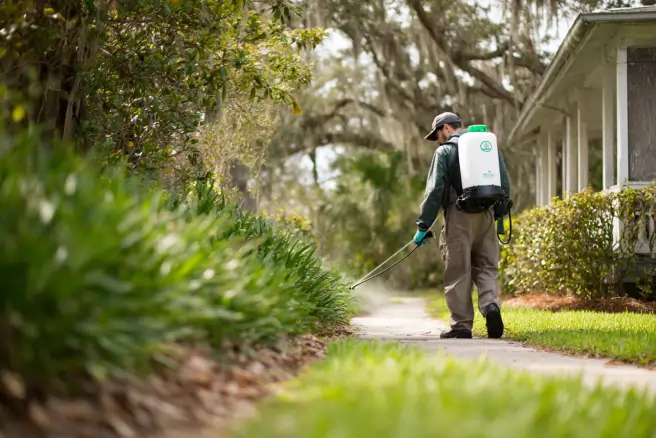
A professional pest control treatment is an effective way to address ongoing pest issues in your home. However, to maximize the effectiveness of the service and prevent recurring infestations, there are essential steps you should take after the treatment. Following these recommendations ensures a healthier, pest-free environment.
1. Understand the Pest Control Provider’s Guidelines
- Avoiding cleaning treated areas for a specified time period.
- Ventilating your home if necessary, especially if strong chemicals were applied indoors.
- Limiting access to certain areas for pets or children during and after treatment.
It’s crucial to adhere to these recommendations as improper actions could reduce the effectiveness of the pesticides used.
2. Allow Treated Areas To Settle
Give treated areas sufficient time to dry and settle before re-entering them fully or performing any activities like vacuuming or mopping floors. Pest control products often require time to work effectively, so disturbing them prematurely can reduce their impact.
| Type of Treatment | Recommended Rest Period |
| Liquid sprays | 2–4 hours |
| Fumigation (whole-home) | 24–48 hours |
| Baits and traps | No immediate restriction but avoid moving them unnecessarily |
3. Monitor Pest Activity Post-Treatment
After treatment, it’s normal to see an increase in pest activity temporarily as pests are driven out from their hiding places by the chemicals or bait systems applied. This does not indicate failure but is actually a sign that the treatment is working effectively.
- Check common hiding spots such as baseboards, under sinks, and near food storage areas for dead pests.
- Use sticky traps in key locations to assess ongoing activity levels.
- Note any live pests that persist beyond two weeks and report back to your pest control provider if needed.
4. Clean Strategically Without Undoing Treatment Effects
While cleaning is important for maintaining hygiene post-treatment, avoid scrubbing over treated surfaces for at least a week unless otherwise instructed by your pest control technician.
Focus Your Cleaning Efforts On:
– Removing dead pests from floors or corners using gloves or a vacuum (discard vacuum bags properly).
– Sanitizing kitchen surfaces not directly treated such as countertops or food preparation areas. – Washing bedding, fabrics, or furniture covers that may have come into contact with residual treatments.
5. Take Preventative Measures Moving Forward
- Seal cracks and gaps around doors, windows, pipes, and other entry points (referencing caulking materials can be helpful).
- Keep food stored in airtight containers and avoid leaving crumbs or spills unattended.
- Regularly inspect moisture-prone areas like basements or bathrooms where pests commonly thrive due to dampness.
Final Thoughts on Post-Treatment Actions
Taking these steps helps ensure that professional pest control efforts provide long-term relief from unwanted intruders while maintaining safety within your home environment. Proper follow-up care combined with preventive measures creates an effective synergy against future infestations without compromising health or comfort levels at home.
How a Pest Control Company Can Help Eliminate Food and Water Sources to Prevent Infestations
Preventing pest infestations in your home begins with understanding what attracts pests in the first place. Food and water sources play a crucial role in drawing pests like ants, cockroaches, rodents, and other nuisances to your living spaces. By addressing these attractants, you can significantly reduce the likelihood of an infestation.
https://palmbaypestcontrol.wixsite.com/pestcontrolcompany
How Exterminators in Florida Eliminate Food and Water Sources
Pests are opportunistic creatures that prioritize survival. Your home provides an ideal habitat when food crumbs or standing water are readily available. Here’s why targeting these resources is critical:
– Food sustains pest populations: Leftover crumbs, improperly stored food, or spills serve as easy meals for pests.
– Water is a necessity: Even the smallest puddle or leak can sustain pests like cockroaches and mosquitoes.
– Eliminating these resources disrupts their lifecycles, making it harder for them to thrive indoors.
Effective Pest Removal Services in Florida to Eliminate Food Sources
- Use airtight containers for dry goods such as flour, cereals, rice, and pet food.
- Avoid leaving fruits or vegetables exposed on countertops for extended periods.
- Sweep or vacuum crumbs from floors and carpets regularly.
- Wipe down countertops after preparing food to remove spills and residues.
- Use trash bins with tight-fitting lids both indoors and outdoors.
- Take out garbage frequently to avoid odors that attract pests like flies or rodents.
- Clean pet bowls daily and discard uneaten food before bedtime.
Effective Florida Pest Control Service Tips to Eliminate Water Sources
- Repair dripping faucets, leaky pipes, or faulty seals around sinks and bathtubs immediately after detection.
- Empty unused buckets, planters, or other items that collect rainwater around your home’s exterior.
- Ensure proper drainage in yards to avoid pools of stagnant water where mosquitoes breed.
- Check refrigerators with ice makers, dishwashers, and washing machines for leaks or improper drainage systems.
- In humid climates or damp areas such as basements, dehumidifiers help reduce moisture levels that encourage mold growth and attract pests like silverfish or centipedes.
Effective Pest Removal Strategies for a Pest-Free Home
- Perform regular inspections of your pantry items for signs of contamination (e.g., tiny holes in packaging).
- Routinely check under sinks or behind appliances like refrigerators where hidden leaks often occur.
- Limit clutter around the home as it creates hiding spots near potential food sources for pests such as roaches or mice.
| Common Pests Attracted | Key Food Source | Key Water Source |
| Ants | Sugary spills; sweet crumbs | Overwatered plants; leaking pipes |
| Cockroaches | Greasy residues; leftover foods | Sink drains; damp basements |
| Rodents | Unsealed pantry goods | Condensation from appliances |
By following these steps consistently over time while remaining vigilant about maintenance practices around your home environment ensures better protection against infestations driven by accessible nourishment sources.
The Importance of Eliminating Food and Water Sources to Prevent Pest Infestations
Pests are often drawn into homes due to the availability of food and water. Removing these resources is a critical step in preventing infestations and maintaining a pest-free environment. By understanding how to minimize these attractants, homeowners can create an inhospitable environment for pests.
Why Eliminating Food and Water Sources Matters
- Primary Motivator for Pests: Pests such as rodents, cockroaches, ants, and flies are constantly searching for food and water. If these essentials are accessible, they will make themselves at home.
- Population Growth: Easy access to nourishment allows pests to reproduce rapidly, leading to larger infestations over time.
- Health Risks: Many pests contaminate food supplies or spread diseases when they have access to your pantry or kitchen surfaces.
Steps to Eliminate Food Sources
- Store all dry goods such as cereal, rice, and flour in airtight containers made of glass or thick plastic.
- Keep fruits and vegetables in the refrigerator rather than leaving them out on counters for extended periods.
- Wipe down kitchen counters daily with disinfectant to remove crumbs or residue from meal preparation.
- Sweep and mop floors regularly to address hidden crumbs that may fall under tables or appliances.
- Use trash cans with tight-fitting lids both indoors and outdoors.
- Empty kitchen trash bins daily, especially if food waste is present.
- Clean the inside of your trash bins periodically with soap and water.
- Do not leave pet food out overnight as it can attract rodents and insects.
- Store pet kibble in sealed containers rather than leaving it in open bags.
- Check for expired or damaged food packaging that might attract pests.
- Dispose of infested items immediately without opening them inside your home.
Steps to Eliminate Water Sources
- Inspect sinks, faucets, pipes under cabinets, toilets, and outdoor spigots regularly for signs of leaks.
- Repair any drips or leaks quickly before they become a consistent water source for pests.
- Use dehumidifiers in areas prone to excess moisture such as basements or laundry rooms.
- Ventilate bathrooms properly by running exhaust fans during showers.
- Ensure gutters are cleaned regularly so rainwater flows away from your home properly.
- Avoid letting water pool around your foundation by grading the soil away from your house.
Long-Term Benefits of Removing Resources
- You significantly reduce the likelihood of pest infestations occurring altogether.
- Existing pest populations will struggle to survive without necessary resources, making other control measures more effective.
- You protect your home’s hygiene while reducing health risks associated with pest contamination.
Taking these steps requires consistency but serves as a key strategy in maintaining a clean, pest-free living space throughout the year.
Understanding and Preventing Silverfish: A Comprehensive Guide for Homeowners
Silverfish are a common household pest that can cause damage to books, wallpaper, clothing, and other belongings due to their appetite for starchy materials. These small, wingless insects are often found in damp, dark areas of the home. Understanding their behavior and implementing preventative strategies is crucial to keeping your home silverfish-free.
What Are Silverfish?
Silverfish (Lepisma saccharinum) are small, teardrop-shaped insects that measure about 12–19 millimeters in length. Their silvery-grey color and fish-like movements give them their name. They thrive in humid environments ranging from kitchens and bathrooms to basements and storage areas.
Key characteristics of silverfish include:
– Nocturnal behavior—active primarily at night. – A preference for carbohydrates such as starches and sugars. – Ability to survive in a variety of climates but a preference for high humidity levels (above 75%).
Signs of a Silverfish Infestation
Detecting the presence of silverfish early can help prevent costly damage to your belongings. Look out for the following signs: – Damage to materials: Irregular holes or scraped surfaces on books, wallpaper, textiles, or cardboard boxes. – Shed skin: Silverfish molt throughout their lives; finding their discarded skins may indicate an infestation. – Droppings: Small black pepper-like droppings are often found near food packages or infested items. – Actual sightings: Spotting live silverfish is another clear indicator.
Preventing Silverfish Infestations
- Use dehumidifiers in damp areas such as basements or bathrooms.
- Ensure proper ventilation by installing exhaust fans where necessary.
- Repair leaking pipes or faucets promptly to reduce moisture accumulation.
- Inspect cracks around windows, doors, baseboards, and foundations; seal these gaps with caulk or weatherstripping.
- Install fine mesh screens over vents and ensure doors close tightly without gaps.
- Store fabrics like clothing or linens in sealed plastic containers rather than cardboard boxes that attract pests.
- Keep food items such as cereal, flour, sugar, and pet food in airtight containers.
- Limit clutter where silverfish can hide—especially stacks of paper or old magazines stored in damp areas.
- Vacuum regularly along baseboards and corners where silverfish may lay eggs.
- Wipe down surfaces with a mixture of water and essential oils like lavender or cedarwood; these scents repel silverfish effectively.
Natural Remedies vs Professional Pest Control
| Approach | Description | Effectiveness |
| Natural Remedies | Use diatomaceous earth around entry points or infested zones; boric acid can also be effective when applied carefully.* | Moderate |
| Store-Bought Traps | Sticky traps designed for crawling insects can catch individual pests over time but rarely address infestations fully. | Limited |
| Professional Treatments | Pest control companies use targeted solutions like insecticide sprays designed specifically for silverfish control. | High |
*Note: Handle chemicals like diatomaceous earth with care as they may pose risks if inhaled or misapplied.
By staying vigilant about environmental factors such as humidity levels while addressing potential hiding spots promptly after detection, homeowners can minimize the likelihood of recurring infestations effectively without compromising on safety indoors around family members or pets alike.*
How to Monitor Pest Activity After a Treatment and Identify Persistent Problems
Monitoring pest activity after a professional pest control treatment is an essential step in ensuring the long-term success of the service. By staying vigilant, you can identify any persistent problems early and address them before they escalate. Here’s how to effectively monitor pests and recognize ongoing issues.
Observe Changes in Pest Behavior
After treatment, it’s normal to see some pest activity as the insects or rodents are affected by the residual chemicals or traps. However, you should track specific patterns:
– Increase in visibility: Dead pests or slower-moving ones may become more apparent immediately after treatment.
– Decreased activity over time: Over days or weeks, you should notice reduced evidence of pests if the treatment worked effectively.
If activity continues at the same level or worsens, it might indicate that additional intervention is necessary.
Inspect Common Problem Areas
Certain areas of your home are more likely to harbor pests. Regular inspections can help determine whether an infestation has been fully eradicated. Focus on these spaces:
1. Kitchens and pantries: Look for droppings, chew marks, or food packaging damage.
2. Basements and crawl spaces: Check for moisture accumulation, nests, or insect remains.
3. Entry points: Examine doors, windows, pipes, and vents for signs of new infestations like droppings or claw marks. 4. Outdoor areas: Pests may move outside temporarily; inspect gardens, woodpiles, and trash bins for evidence of reactivity.
Use Monitoring Tools
Various tools can assist in tracking pest resurgence post-treatment: – Sticky traps: Place glue-based traps in problem areas to catch insects like cockroaches or spiders. – Rodent bait stations: These allow you to gauge rodent activity consistently. – Electronic devices: Ultrasonic repellents with monitoring features can help deter reinfestation while providing data on pest presence.
Work with Professionals if Needed
Sometimes persistent problems require follow-up treatments from professionals: – Contact your pest control provider if pests remain active several weeks after initial service. – Provide detailed information about where pests are most active for targeted retreatment.
Effective monitoring not only protects your home but also prolongs the effectiveness of your pest control efforts by addressing issues proactively rather than reactively.
- Essential Steps for Success After a Florida Pest Control Treatment
- How a Pest Control Company Can Help Prevent Pests from Returning After Treatment
- How Florida Pest Control Can Stop Pests From Returning After Treatment
- Tips from Exterminators in Florida on Preventing Pest Infestations After Treatment
- Florida Pest Control Mistakes to Avoid for Effective and Long-Lasting Solutions
- The Importance of Florida Pest Control Treatments and What They Involve