Essential Steps for Success After a Florida Pest Control Treatment

A professional pest control treatment is an effective way to address ongoing pest issues in your home. However, to maximize the effectiveness of the service and prevent recurring infestations, there are essential steps you should take after the treatment. Following these recommendations ensures a healthier, pest-free environment.
1. Understand the Pest Control Provider’s Guidelines
- Avoiding cleaning treated areas for a specified time period.
- Ventilating your home if necessary, especially if strong chemicals were applied indoors.
- Limiting access to certain areas for pets or children during and after treatment.
It’s crucial to adhere to these recommendations as improper actions could reduce the effectiveness of the pesticides used.
2. Allow Treated Areas To Settle
Give treated areas sufficient time to dry and settle before re-entering them fully or performing any activities like vacuuming or mopping floors. Pest control products often require time to work effectively, so disturbing them prematurely can reduce their impact.
| Type of Treatment | Recommended Rest Period |
| Liquid sprays | 2–4 hours |
| Fumigation (whole-home) | 24–48 hours |
| Baits and traps | No immediate restriction but avoid moving them unnecessarily |
3. Monitor Pest Activity Post-Treatment
After treatment, it’s normal to see an increase in pest activity temporarily as pests are driven out from their hiding places by the chemicals or bait systems applied. This does not indicate failure but is actually a sign that the treatment is working effectively.
- Check common hiding spots such as baseboards, under sinks, and near food storage areas for dead pests.
- Use sticky traps in key locations to assess ongoing activity levels.
- Note any live pests that persist beyond two weeks and report back to your pest control provider if needed.
4. Clean Strategically Without Undoing Treatment Effects
While cleaning is important for maintaining hygiene post-treatment, avoid scrubbing over treated surfaces for at least a week unless otherwise instructed by your pest control technician.
Focus Your Cleaning Efforts On:
– Removing dead pests from floors or corners using gloves or a vacuum (discard vacuum bags properly).
– Sanitizing kitchen surfaces not directly treated such as countertops or food preparation areas. – Washing bedding, fabrics, or furniture covers that may have come into contact with residual treatments.
5. Take Preventative Measures Moving Forward
- Seal cracks and gaps around doors, windows, pipes, and other entry points (referencing caulking materials can be helpful).
- Keep food stored in airtight containers and avoid leaving crumbs or spills unattended.
- Regularly inspect moisture-prone areas like basements or bathrooms where pests commonly thrive due to dampness.
Final Thoughts on Post-Treatment Actions
Taking these steps helps ensure that professional pest control efforts provide long-term relief from unwanted intruders while maintaining safety within your home environment. Proper follow-up care combined with preventive measures creates an effective synergy against future infestations without compromising health or comfort levels at home.
How a Pest Control Company Can Help Eliminate Food and Water Sources to Prevent Infestations
Preventing pest infestations in your home begins with understanding what attracts pests in the first place. Food and water sources play a crucial role in drawing pests like ants, cockroaches, rodents, and other nuisances to your living spaces. By addressing these attractants, you can significantly reduce the likelihood of an infestation.
https://palmbaypestcontrol.wixsite.com/pestcontrolcompany
How Exterminators in Florida Eliminate Food and Water Sources
Pests are opportunistic creatures that prioritize survival. Your home provides an ideal habitat when food crumbs or standing water are readily available. Here’s why targeting these resources is critical:
– Food sustains pest populations: Leftover crumbs, improperly stored food, or spills serve as easy meals for pests.
– Water is a necessity: Even the smallest puddle or leak can sustain pests like cockroaches and mosquitoes.
– Eliminating these resources disrupts their lifecycles, making it harder for them to thrive indoors.
Effective Pest Removal Services in Florida to Eliminate Food Sources
- Use airtight containers for dry goods such as flour, cereals, rice, and pet food.
- Avoid leaving fruits or vegetables exposed on countertops for extended periods.
- Sweep or vacuum crumbs from floors and carpets regularly.
- Wipe down countertops after preparing food to remove spills and residues.
- Use trash bins with tight-fitting lids both indoors and outdoors.
- Take out garbage frequently to avoid odors that attract pests like flies or rodents.
- Clean pet bowls daily and discard uneaten food before bedtime.
Effective Florida Pest Control Service Tips to Eliminate Water Sources
- Repair dripping faucets, leaky pipes, or faulty seals around sinks and bathtubs immediately after detection.
- Empty unused buckets, planters, or other items that collect rainwater around your home’s exterior.
- Ensure proper drainage in yards to avoid pools of stagnant water where mosquitoes breed.
- Check refrigerators with ice makers, dishwashers, and washing machines for leaks or improper drainage systems.
- In humid climates or damp areas such as basements, dehumidifiers help reduce moisture levels that encourage mold growth and attract pests like silverfish or centipedes.
Effective Pest Removal Strategies for a Pest-Free Home
- Perform regular inspections of your pantry items for signs of contamination (e.g., tiny holes in packaging).
- Routinely check under sinks or behind appliances like refrigerators where hidden leaks often occur.
- Limit clutter around the home as it creates hiding spots near potential food sources for pests such as roaches or mice.
| Common Pests Attracted | Key Food Source | Key Water Source |
| Ants | Sugary spills; sweet crumbs | Overwatered plants; leaking pipes |
| Cockroaches | Greasy residues; leftover foods | Sink drains; damp basements |
| Rodents | Unsealed pantry goods | Condensation from appliances |
By following these steps consistently over time while remaining vigilant about maintenance practices around your home environment ensures better protection against infestations driven by accessible nourishment sources.
The Importance of Eliminating Food and Water Sources to Prevent Pest Infestations
Pests are often drawn into homes due to the availability of food and water. Removing these resources is a critical step in preventing infestations and maintaining a pest-free environment. By understanding how to minimize these attractants, homeowners can create an inhospitable environment for pests.
Why Eliminating Food and Water Sources Matters
- Primary Motivator for Pests: Pests such as rodents, cockroaches, ants, and flies are constantly searching for food and water. If these essentials are accessible, they will make themselves at home.
- Population Growth: Easy access to nourishment allows pests to reproduce rapidly, leading to larger infestations over time.
- Health Risks: Many pests contaminate food supplies or spread diseases when they have access to your pantry or kitchen surfaces.
Steps to Eliminate Food Sources
- Store all dry goods such as cereal, rice, and flour in airtight containers made of glass or thick plastic.
- Keep fruits and vegetables in the refrigerator rather than leaving them out on counters for extended periods.
- Wipe down kitchen counters daily with disinfectant to remove crumbs or residue from meal preparation.
- Sweep and mop floors regularly to address hidden crumbs that may fall under tables or appliances.
- Use trash cans with tight-fitting lids both indoors and outdoors.
- Empty kitchen trash bins daily, especially if food waste is present.
- Clean the inside of your trash bins periodically with soap and water.
- Do not leave pet food out overnight as it can attract rodents and insects.
- Store pet kibble in sealed containers rather than leaving it in open bags.
- Check for expired or damaged food packaging that might attract pests.
- Dispose of infested items immediately without opening them inside your home.
Steps to Eliminate Water Sources
- Inspect sinks, faucets, pipes under cabinets, toilets, and outdoor spigots regularly for signs of leaks.
- Repair any drips or leaks quickly before they become a consistent water source for pests.
- Use dehumidifiers in areas prone to excess moisture such as basements or laundry rooms.
- Ventilate bathrooms properly by running exhaust fans during showers.
- Ensure gutters are cleaned regularly so rainwater flows away from your home properly.
- Avoid letting water pool around your foundation by grading the soil away from your house.
Long-Term Benefits of Removing Resources
- You significantly reduce the likelihood of pest infestations occurring altogether.
- Existing pest populations will struggle to survive without necessary resources, making other control measures more effective.
- You protect your home’s hygiene while reducing health risks associated with pest contamination.
Taking these steps requires consistency but serves as a key strategy in maintaining a clean, pest-free living space throughout the year.
Understanding and Preventing Silverfish: A Comprehensive Guide for Homeowners
Silverfish are a common household pest that can cause damage to books, wallpaper, clothing, and other belongings due to their appetite for starchy materials. These small, wingless insects are often found in damp, dark areas of the home. Understanding their behavior and implementing preventative strategies is crucial to keeping your home silverfish-free.
What Are Silverfish?
Silverfish (Lepisma saccharinum) are small, teardrop-shaped insects that measure about 12–19 millimeters in length. Their silvery-grey color and fish-like movements give them their name. They thrive in humid environments ranging from kitchens and bathrooms to basements and storage areas.
Key characteristics of silverfish include:
– Nocturnal behavior—active primarily at night. – A preference for carbohydrates such as starches and sugars. – Ability to survive in a variety of climates but a preference for high humidity levels (above 75%).
Signs of a Silverfish Infestation
Detecting the presence of silverfish early can help prevent costly damage to your belongings. Look out for the following signs: – Damage to materials: Irregular holes or scraped surfaces on books, wallpaper, textiles, or cardboard boxes. – Shed skin: Silverfish molt throughout their lives; finding their discarded skins may indicate an infestation. – Droppings: Small black pepper-like droppings are often found near food packages or infested items. – Actual sightings: Spotting live silverfish is another clear indicator.
Preventing Silverfish Infestations
- Use dehumidifiers in damp areas such as basements or bathrooms.
- Ensure proper ventilation by installing exhaust fans where necessary.
- Repair leaking pipes or faucets promptly to reduce moisture accumulation.
- Inspect cracks around windows, doors, baseboards, and foundations; seal these gaps with caulk or weatherstripping.
- Install fine mesh screens over vents and ensure doors close tightly without gaps.
- Store fabrics like clothing or linens in sealed plastic containers rather than cardboard boxes that attract pests.
- Keep food items such as cereal, flour, sugar, and pet food in airtight containers.
- Limit clutter where silverfish can hide—especially stacks of paper or old magazines stored in damp areas.
- Vacuum regularly along baseboards and corners where silverfish may lay eggs.
- Wipe down surfaces with a mixture of water and essential oils like lavender or cedarwood; these scents repel silverfish effectively.
Natural Remedies vs Professional Pest Control
| Approach | Description | Effectiveness |
| Natural Remedies | Use diatomaceous earth around entry points or infested zones; boric acid can also be effective when applied carefully.* | Moderate |
| Store-Bought Traps | Sticky traps designed for crawling insects can catch individual pests over time but rarely address infestations fully. | Limited |
| Professional Treatments | Pest control companies use targeted solutions like insecticide sprays designed specifically for silverfish control. | High |
*Note: Handle chemicals like diatomaceous earth with care as they may pose risks if inhaled or misapplied.
By staying vigilant about environmental factors such as humidity levels while addressing potential hiding spots promptly after detection, homeowners can minimize the likelihood of recurring infestations effectively without compromising on safety indoors around family members or pets alike.*
How to Monitor Pest Activity After a Treatment and Identify Persistent Problems
Monitoring pest activity after a professional pest control treatment is an essential step in ensuring the long-term success of the service. By staying vigilant, you can identify any persistent problems early and address them before they escalate. Here’s how to effectively monitor pests and recognize ongoing issues.
Observe Changes in Pest Behavior
After treatment, it’s normal to see some pest activity as the insects or rodents are affected by the residual chemicals or traps. However, you should track specific patterns:
– Increase in visibility: Dead pests or slower-moving ones may become more apparent immediately after treatment.
– Decreased activity over time: Over days or weeks, you should notice reduced evidence of pests if the treatment worked effectively.
If activity continues at the same level or worsens, it might indicate that additional intervention is necessary.
Inspect Common Problem Areas
Certain areas of your home are more likely to harbor pests. Regular inspections can help determine whether an infestation has been fully eradicated. Focus on these spaces:
1. Kitchens and pantries: Look for droppings, chew marks, or food packaging damage.
2. Basements and crawl spaces: Check for moisture accumulation, nests, or insect remains.
3. Entry points: Examine doors, windows, pipes, and vents for signs of new infestations like droppings or claw marks. 4. Outdoor areas: Pests may move outside temporarily; inspect gardens, woodpiles, and trash bins for evidence of reactivity.
Use Monitoring Tools
Various tools can assist in tracking pest resurgence post-treatment: – Sticky traps: Place glue-based traps in problem areas to catch insects like cockroaches or spiders. – Rodent bait stations: These allow you to gauge rodent activity consistently. – Electronic devices: Ultrasonic repellents with monitoring features can help deter reinfestation while providing data on pest presence.
Work with Professionals if Needed
Sometimes persistent problems require follow-up treatments from professionals: – Contact your pest control provider if pests remain active several weeks after initial service. – Provide detailed information about where pests are most active for targeted retreatment.
Effective monitoring not only protects your home but also prolongs the effectiveness of your pest control efforts by addressing issues proactively rather than reactively.
- Essential Steps for Success After a Florida Pest Control Treatment
- How a Pest Control Company Can Help Prevent Pests from Returning After Treatment
- How Florida Pest Control Can Stop Pests From Returning After Treatment
- Tips from Exterminators in Florida on Preventing Pest Infestations After Treatment
- Florida Pest Control Mistakes to Avoid for Effective and Long-Lasting Solutions
- The Importance of Florida Pest Control Treatments and What They Involve
How a Pest Control Company Can Help Prevent Pests from Returning After Treatment

Effective pest control is essential for maintaining a healthy environment, but many homeowners and businesses encounter the frustrating phenomenon of pests returning shortly after treatment. To address this issue, it’s important to understand why this happens and how to prevent it from recurring.
Effective Pest Removal Services in Florida to Prevent Recurrence
- Incomplete Treatment: If all life stages of pests (e.g., eggs, larvae, adults) are not targeted during treatment, they may reappear once the next generation matures.
- Resistant Pests: Over time, some pests develop resistance to certain chemical treatments, rendering them less effective.
- Environmental Factors: Changes in weather or availability of food sources can drive pests back into treated areas seeking shelter.
- Structural Gaps: Openings in walls, windows, doors, or foundations provide entry points for pests even after treatment.
- Human Behavior: Unintentional habits like leaving food exposed or failing to clean properly can attract pests despite prior interventions.
Top Tips for Choosing the Best Florida Pest Control Service
1. Conduct Regular Inspections:
- Schedule routine inspections with pest control professionals.
- Identify potential entry points or vulnerable areas early on.
2. Seal Entry Points:
- Use caulk or weather stripping around windows and door frames.
- Repair cracks in walls and foundations promptly.
- Install mesh screens over vents and chimneys.
3. Maintain Cleanliness:
- Store food in sealed containers and clean up spills immediately.
- Dispose of garbage regularly using tightly sealed bins.
- Keep kitchens free from crumbs and grease buildup.
4. Address Environmental Conditions:
- Eliminate standing water sources that attract insects like mosquitoes.
- Trim overgrown vegetation near buildings to reduce hiding spots for rodents or insects.
- Ensure proper drainage around your property.
5. Adopt an Integrated Pest Management Approach (IPM):
Integrated Pest Management (IPM) emphasizes long-term prevention by combining biological, cultural, physical, and chemical controls tailored to specific pest problems.
| IPM Strategy | Description |
| Biological Controls | Introduce natural predators (e.g., ladybugs for aphids). |
| Cultural Practices | Modify habitat conditions (e.g., rotate crops or adjust irrigation). |
| Physical Barriers | Use traps or sticky barriers where appropriate. |
| Chemical Measures | Apply targeted pesticides as a last resort under professional guidance. |
The Importance of Professional Pest Removal Assistance
- Proper identification of the pest species ensures tailor-made solutions.
- Professionals have access to stronger treatments not available over-the-counter.
- Expertise in applying treatments safely minimizes risks to humans and pets.
Recurring pest issues often arise due to incomplete initial efforts or environmental factors beyond individual control. By understanding these causes and implementing consistent preventive practices alongside expert assistance when needed, you can achieve long-lasting results in managing pest problems effectively while maintaining a healthy living space.
https://westpalmbeachpestc.wixsite.com/exterminator
How to Address Pest Recurrence with Expert Florida Pest Control Solutions
1. Residual Pest Populations
- Incomplete Eradication: In some cases, not all pests are eliminated during initial treatment. Small populations may survive and reproduce over time.
- Eggs and Larvae: Many pests, such as cockroaches or bed bugs, lay eggs that remain hidden and unaffected by certain treatments. Once they hatch, a new infestation cycle begins.
2. Environmental Factors
Environmental conditions play a significant role in pest recurrence. These include:
– Climatic Conditions: Warm temperatures, high humidity, or seasonal changes can create ideal breeding environments for pests. – Access to Food and Water: Pests thrive in areas where food crumbs, standing water, or waste remains accessible. – Shelter Availability: Cluttered spaces, cracks in walls or foundations, and poorly sealed windows provide hiding spots for pests.
| Environmental Factor | Impact on Pest Recurrence |
| Warm temperatures | Accelerate reproduction cycles |
| Access to food sources | Sustains pest populations |
| Shelter (clutter or gaps) | Provides nesting areas |
3. Human Behavior
Human activities can inadvertently contribute to pest infestations despite treatments: – Poor Hygiene Practices: Leaving food out overnight or failing to clean up spills invites pests back into treated areas. – Improper Waste Management: Overflowing garbage bins and improper disposal of organic waste make it easy for pests to find sustenance. – Reintroduction of Pests: Pests can re-enter homes through luggage (e.g., bed bugs) or via infested items brought indoors.
4. Nature of Certain Pests
Some species are particularly resilient due to their biological traits: – Rapid Reproduction Rates: Rodents, insects like ants or flies, and other small creatures can repopulate quickly if a few individuals survive. – Resistance to Treatments: Over time, certain pests develop resistance to common chemicals used in pest control solutions.
Effective Strategies To Address Pest Recurrence
To reduce the likelihood of pest infestations returning after treatment: 1. Regular Inspections: Schedule periodic inspections with pest control professionals to monitor vulnerable areas. 2. Seal Entry Points: Close gaps around doors, windows, pipes, and vents using caulk or weather stripping materials. 3. Maintain Cleanliness: Vacuum regularly; store food in airtight containers; promptly address spills or leaks. 4. Dispose Waste Properly: Use tightly sealed trash cans and ensure timely removal of garbage from your premises.
By addressing these underlying factors alongside initial treatments, it becomes easier to prevent recurring issues related to unwanted pests while maintaining healthier living environments for all occupants.
How Exterminators in Florida Address Pest Issues Caused by Environmental Conditions
Environmental factors play a significant role in attracting and sustaining pests. These conditions create favorable habitats where pests can thrive, reproduce, and multiply. Understanding how environmental conditions contribute to pest infestations is crucial for preventing and managing such challenges effectively.
Key Environmental Factors Contributing to Pest Infestations
- Temperature:
Different pests have specific temperature ranges within which they flourish. For example: - Cockroaches prefer warm environments ranging from 70°F to 85°F.
- Mosquitoes are most active in warmer climates, especially during humid weather.
- Rodents seek shelter indoors during colder months to escape freezing temperatures.
- Moisture Levels:
Excessive moisture or standing water provides ideal breeding grounds for many pests, particularly: - Mosquitoes, which lay eggs in stagnant water sources like gutters or bird baths.
- Termites, as damp wood creates an inviting environment for their colonies.
- Ants and cockroaches, which are drawn to areas with high humidity levels such as kitchens or bathrooms.
- Food Sources:
Readily available food attracts a variety of pests into homes and businesses: - Crumbs left on counters or floors can draw ants and cockroaches.
- Open containers of pet food may attract rodents or insects like flies.
- Organic waste in trash bins often lures fruit flies or rats.
- Shelter Availability:
Pests seek safe spaces to hide and breed within homes or outdoor areas:- Cluttered storage spaces act as nesting zones for rodents like mice.
- Overgrown vegetation near buildings provides cover for insects such as spiders and ticks.
- Cracks, gaps, or openings in walls serve as entry points for pests seeking refuge.
Mitigating the Impact of Environmental Conditions
Maintain Cleanliness
- Regularly clean floors, counters, sinks, and other surfaces to eliminate crumbs and spills.
- Dispose of garbage properly by using sealed bins.
Control Moisture
- Fix leaky pipes or faucets promptly.
- Use dehumidifiers in damp areas like basements.
- Ensure proper drainage around your property by clearing gutters regularly.
Seal Entry Points
- Inspect your property for cracks, crevices, or gaps around windows and doors; seal them with caulk or weather stripping.
- Install screens on windows to prevent insects from entering.
Manage Landscaping
- Trim shrubs, trees, and grass regularly to reduce hiding spots for outdoor pests.
- Avoid placing firewood piles close to your house as they attract termites.
Table: Common Pests By Environmental Conditions
| Pest Type | Attracting Condition | Key Prevention Tip |
| Cockroaches | Warm temperatures (>70°F) | Seal cracks; maintain hygiene |
| Termites | Moisture/damp wood | Fix leaks; keep wood dry |
| Mosquitoes | Standing water | Eliminate water sources |
| Rodents | Cold weather | Block entry points |
By understanding the influence of environmental conditions on pest behavior, property owners can adopt targeted preventive strategies that align with these factors. Such measures not only minimize infestation risks but also contribute significantly towards long-term pest control success.

How Human Behavior Can Impact Pest Infestations and Control Efforts
Human behavior plays a significant role in the occurrence and recurrence of pest infestations. Often, without realizing it, people engage in activities or maintain habits that inadvertently create suitable conditions for pests to thrive. Understanding these behaviors is critical for effective pest control and prevention.
Common Human Behaviors That Attract Pests
- Leaving food uncovered or improperly stored can attract pests like ants, cockroaches, and rodents.
- Storing grains, cereals, and snacks in non-airtight containers provides easy access to pests.
- Regular spills or crumbs left on countertops and floors can also become a food source.
- Accumulation of trash indoors without timely disposal creates breeding grounds for pests like flies and rodents.
- Lack of regular cleaning under large appliances (like refrigerators) leaves hidden debris that attracts pests.
- Stacks of old newspapers, cardboard boxes, or unused items provide hiding spots for cockroaches, spiders, and even rodents.
- Overcrowded storage areas make it difficult to identify early signs of infestation.
- Overwatered indoor plants can result in standing water, which attracts mosquitoes or other insects like fungus gnats.
- Unsealed cracks around windows, doors, or utility lines allow easy entry points for pests into homes.
How Behavior Impedes Pest Control Efforts
- Irregular Maintenance: Not following up on recommended measures (e.g., sealing entry points) allows pests to reinfest the treated space.
- DIY Treatments Without Knowledge: Using over-the-counter pesticides incorrectly may not address the root cause of infestations.
- Failure to Eliminate Sources: Ignoring advice about removing clutter or securing food sources results in persistent infestations.
Steps Humans Can Take to Mitigate Pest Infestations
| Behavior | Corrective Action |
| Leaving food out | Store all food in airtight containers; clean up spills immediately. |
| Accumulating clutter | Organize storage spaces regularly; discard unnecessary items promptly. |
| Not sealing gaps | Inspect your home periodically for cracks or crevices and seal them using caulk or weatherstripping materials. |
| Overwatering plants | Water plants only as needed to avoid creating excessive moisture indoors. |
Educating People on Proper Practices
- Adopt consistent cleaning routines—pay attention to hidden areas where dirt may accumulate.
- Regularly inspect your home’s exterior and interior for vulnerabilities that could invite pests.
- Educate family members about pest-preventive practices such as managing waste properly or avoiding clutter.
Awareness combined with proactive behavioral adjustments ensures effective pest control measures remain sustainable over time while reducing dependency on reactive interventions alone.
The Importance of Consistent Pest Control for Long-Term Protection
Maintaining a pest-free environment requires more than just one-time treatments. Consistent pest control plays a vital role in ensuring long-term protection against infestations that can disrupt homes, businesses, and public spaces. Many individuals underestimate the necessity of regular pest management, often leading to recurring issues that could have been avoided with a proactive approach.
Why is Consistency Key in Pest Control?
- Life Cycle Disruption: Many pests, such as insects and rodents, reproduce quickly. Regular treatments help break their life cycles by targeting eggs, larvae, and adults at different stages.
- Preventing Resistance: Over time, pests can develop resistance to certain chemicals or treatments. Consistency ensures a strategic approach using varied methods to counteract resistance.
- Long-Term Monitoring: Ongoing maintenance allows professionals to monitor pest activity and make timely adjustments based on changes in environmental factors or infestation levels.
Benefits of Regular Pest Control
- Health Protection: Pests like cockroaches and rodents carry diseases that can harm human health. Regular treatments reduce exposure to these harmful pathogens.
- Property Preservation: Termites and other destructive pests cause structural damage over time. Routine inspections can catch infestations early before significant damage occurs.
- Cost Savings: Investing in consistent control efforts is often more cost-effective than addressing large-scale infestations caused by neglect.
- Peace of Mind: Knowing that preventative measures are in place reduces stress and allows you to focus on other priorities.
Steps Toward Consistent Pest Management
- Schedule routine inspections with a licensed pest control provider.
- Address minor infestations immediately before they escalate into larger problems.
- Seal entry points around windows, doors, pipes, and vents to block access for pests.
- Keep your property clean by eliminating food sources such as crumbs or standing water.
- Educate family members or employees about habits that encourage pest activity (e.g., improper waste disposal).
| Frequency | Activity |
| Monthly | Inspect for signs of infestation (droppings, nests). |
| Quarterly | Conduct professional treatment sessions if needed. |
| Biannually | Review landscaping practices; trim overgrown plants near structures. |
Partnering with Professionals
While DIY solutions may seem appealing initially, they rarely address the root causes of infestations or provide long-term results. Professional services ensure thorough inspections using advanced tools and techniques tailored to specific situations.
- Access to industry-grade products unavailable to consumers
- Expertise in identifying pest species and understanding behavioral patterns
- Customized plans for prevention based on individual needs
Benefits of Hiring Professional Pest Control Services for Effective Solutions
When dealing with pest infestations, many individuals weigh the pros and cons of DIY methods versus hiring professional pest control services. While attempting to manage pests independently can seem cost-effective, it often leads to limited or temporary results. Professional pest control services, on the other hand, offer numerous benefits that ensure effective and long-term solutions to pest problems.
Expertise and Tailored Solutions
- Identify Pest Types Accurately: Correctly identifying the species is crucial to determining appropriate treatment plans.
- Tailor Treatment Plans: Professionals design customized strategies based on the type of infestation, severity, and environmental factors specific to your property.
| Pest Type | Treatment Approach | Key Consideration |
| Rodents | Baits, traps, exclusion methods | Sealing entry points is vital |
| Cockroaches | Insecticides and sanitation | Addressing food/water sources is critical |
| Termites | Chemical treatments or baiting | Regular inspections are essential |
Use of Advanced Techniques and Products
- Targeted Pesticides: More effective chemicals are applied strategically to minimize risks to humans and pets.
- Integrated Pest Management (IPM): An approach that combines biological controls with habitat modification for sustainable results.
These methods not only eliminate pests but also address underlying causes of infestations.
Preventive Measures for Long-Term Results
- Sealing Gaps and Cracks: Eliminating potential entry points.
- Proper Waste Management: Storing trash securely to avoid attracting pests.
- Landscaping Tips: Trimming plants away from structures can reduce nesting opportunities for insects like ants or termites.
By addressing these factors proactively, professionals help ensure continued protection from future infestations.
Cost-Efficiency Over Time
Although professional services may seem costly upfront compared to DIY methods, they are often more cost-effective in the long run due to their lasting results. Repeated failures with DIY treatments can lead to increased expenses over time as infestations persist or worsen.
- Professionals help prevent structural damage caused by pests like termites or rodents.
- They minimize health risks associated with exposure to harmful insects (e.g., mosquitoes) or contamination caused by droppings (e.g., rodents).
Hiring a professional pest control service ensures a thorough approach tailored specifically for your property’s needs. Their expertise not only addresses existing problems but also safeguards against future issues effectively—leading to a healthier environment and peace of mind.
Preventing Future Infestations Through Proactive Pest Management Strategies
Pest management is not simply about addressing infestations when they occur; it also involves proactive strategies to prevent pests from invading your space in the first place. By taking preventative steps, property owners can save time, money, and effort by minimizing the chances of recurring pest problems. Below are some of the most effective strategies for proactive pest management.
Regular Inspection and Monitoring
Regularly inspecting your property helps identify potential problems before they escalate into full-blown infestations. Key areas to monitor include:
– Entry Points: Check doors, windows, vents, and cracks in walls or foundations for possible pest entryways.
– Storage Areas: Inspect basements, attics, or garages where clutter might attract pests like rodents or spiders.
– Moisture-Prone Zones: Monitor bathrooms, kitchens, and other areas where water leakage may create conducive environments for pests like cockroaches or termites.
Document your findings during inspections and address any vulnerabilities promptly.
Maintain a Clean Environment
A clean environment discourages many types of pests from settling into your space. Consider the following practices to maintain cleanliness:
– Store food in airtight containers to prevent access for ants, rodents, and pantry moths.
– Dispose of garbage regularly and ensure trash bins have tightly fitting lids.
– Sweep floors and wipe down surfaces routinely to eliminate food crumbs or spills that attract insects like cockroaches or flies.
Eliminate Potential Breeding Grounds
Preventing future infestations requires removal of habitats that allow pests to breed. Common actions include:
1. Removing Standing Water: Mosquitoes lay eggs in stagnant water; ensure there is no pooling around drains or gutters.
2. Trimming Vegetation: Overgrown bushes or branches close to buildings provide shelter for pests such as rats or termites; trim them back regularly. 3. Decluttering Storage Spaces: Excessive clutter serves as hiding places for pests like mice; keep storage areas organized.
Sealing Entry Points
Preventing pest access is a critical aspect of proactive management: – Use caulk or steel wool to seal small gaps around pipes and utility lines. – Install weather stripping on doors and windows to close off gaps. – Repair damaged screens on doors or windows to block flying insects.
A physical barrier can greatly reduce the likelihood of an infestation by cutting off points of entry.
Educating Property Occupants
If you share your property with family members, tenants, employees, or others, educating them about pest prevention plays a key role: – Encourage proper waste disposal habits. – Share tips on spotting early signs of infestations (e.g., droppings, chew marks).
– Emphasize the importance of reporting possible issues promptly so they can be addressed early.
Awareness ensures everyone plays their part in maintaining a pest-free environment.
Partnering with Pest Control Professionals
Rather than relying solely on reactive measures after an infestation has occurred, working with experts allows you to adopt a more proactive approach tailored specifically for your property’s needs.
By implementing these proactive pest management strategies consistently over time, property owners can significantly reduce their risk of dealing with recurring infestations while maintaining healthier living spaces year-round.
Preventing Future Infestations Through Proactive Pest Management Strategies
Proactive pest management plays a vital role in maintaining a pest-free environment. By focusing on prevention rather than reacting to infestations, you can reduce the risk of pests returning, protect your property, and save money in the long term. Below are practical strategies and insights into preventing future infestations.
Identify Potential Pest Entry Points
One of the first steps in proactive pest management is ensuring that pests have no access to your home or property. Regularly inspect your building for potential entry points, such as:
– Cracks in walls or foundations
– Gaps around doors and windows
– Openings near pipes, vents, or electrical wiring
– Damaged screens on windows or doors
Sealing these entry points with caulk, weather stripping, or mesh can significantly reduce the chances of pests invading your space.
Maintain Cleanliness and Sanitation
Pests are often attracted to food sources and unsanitary conditions. Keeping your environment clean and organized is essential:
– Store food in airtight containers to prevent access by pests like ants and rodents.
– Dispose of garbage regularly and ensure trash cans have tight-fitting lids.
– Clean up crumbs, spills, and other food debris immediately from counters and floors. – Avoid leaving pet food out overnight.
A well-maintained space deprives pests of critical resources they need to survive.
Monitor Moisture Levels
Many pests thrive in damp environments. To minimize their attraction:
– Fix leaking faucets, pipes, or appliances promptly. – Install dehumidifiers in areas prone to excess moisture (e.g., basements).
– Ensure proper drainage outside the property to prevent standing water near foundations.
– Check gutters for clogs that may lead to water accumulation.
By reducing moisture levels indoors and outdoors, you create an inhospitable environment for common pests like cockroaches and termites.
Regular Inspections
Routine inspections by either homeowners or professionals ensure early detection of any potential issues before they escalate into full-blown infestations:
1. Conduct monthly checks for signs of pest activity (droppings, nests, chewed items).
2. Inspect less-frequented areas like attics, basements, crawl spaces, and storage rooms. 3. Use monitoring tools such as glue traps or bait stations around common problem areas.
Early action based on observation can help avoid costly damage later.
Educate Occupants about Prevention Measures
Whether it’s a household setting with family members or employees within a commercial property:
– Educate individuals about proper waste disposal practices. – Share tips on identifying early warning signs of pest presence. – Encourage teamwork when implementing preventive measures.
A collaborative effort improves long-term success in keeping properties pest-free.
By adopting these proactive strategies for pest management alongside regular professional assessments when necessary, you can create a robust defense against future infestations while maintaining the health and safety of your environment efficiently over time.
- Essential Steps for Success After a Florida Pest Control Treatment
- How a Pest Control Company Can Help Prevent Pests from Returning After Treatment
- How Florida Pest Control Can Stop Pests From Returning After Treatment
- Tips from Exterminators in Florida on Preventing Pest Infestations After Treatment
- Florida Pest Control Mistakes to Avoid for Effective and Long-Lasting Solutions
- The Importance of Florida Pest Control Treatments and What They Involve
How Florida Pest Control Can Stop Pests From Returning After Treatment

Despite thorough pest control treatments, many homeowners and businesses are often perplexed when pests make a comeback. Understanding the reasons behind this recurrence and implementing strategic solutions can help effectively deal with this issue in the long run.
Common Reasons Why Pests Return
- Sometimes, treatments may only target visible pests without addressing hidden colonies or nesting areas.
- For instance, spraying for ants might kill the workers but leave the queen and her eggs untouched.
- Pests can return if they re-enter from outside sources such as neighboring properties or untreated areas nearby.
- Open windows, cracks, or poor sanitation can act as easy entry points.
- Incorrectly identifying the pest species can lead to ineffective treatments that fail to disrupt their specific life cycle.
- Over time, some pests develop resistance to commonly used pesticides, reducing treatment effectiveness.
- Seasonal changes, moisture levels, or food availability may encourage pests to return even after treatment efforts.
- Lack of follow-up actions such as sealing entry points or maintaining cleanliness allows reinfestation over time.
Steps to Stop Pest Recurrence
- Conduct a thorough property assessment to identify all pest hotspots, nests, and potential entry points.
- Combine chemical treatments with non-chemical strategies like traps, exclusion techniques, and habitat modification.
- Inspect doors, windows, vents, and cracks in walls to seal gaps where pests might enter using caulk or mesh screens.
- Partner with licensed professionals who use advanced techniques like targeted baits or heat treatments for hard-to-reach infestations.
Importance of Long-Term Monitoring
One major factor in controlling recurring infestations is consistent monitoring after initial treatment: – Set up traps in critical areas like under sinks or in basements. – Perform routine inspections every quarter for signs of returning pests. – Evaluate previous treatment plans periodically and adjust strategies if needed.
By addressing root causes alongside taking proactive measures such as regular monitoring and ongoing property maintenance habits, it becomes easier to ensure lasting protection against pest recurrence while minimizing future outbreaks effectively.
How a Pest Control Company Can Help Address Persistent Infestations
Pest infestations can be frustrating, and addressing the root causes is essential to achieve long-term results. Several factors contribute to the persistence of infestations even after treatment. Understanding these reasons can help implement effective strategies to prevent recurrence.
https://coralspringspestco3.wixsite.com/pestcontrol
How Exterminators in Florida Tackle Persistent Infestations
- Some treatments only target adult pests, leaving eggs or larvae unaffected.
- Over-the-counter solutions may not penetrate deeply enough into nesting areas.
- Leftover food crumbs, grease buildup, or open garbage bins provide ample food sources for pests.
- Clutter can offer hiding spots for insects and rodents to thrive unnoticed.
- Cracks in walls, improperly sealed doors/windows, and unprotected vents allow pests easy access indoors.
- Over time, some pest populations develop resistance to commonly used pesticides, making them harder to eliminate.
- Pest control often requires multiple treatments due to pest reproduction cycles; skipping follow-ups allows pests to rebound.
- Humidity levels or nearby vegetation can create favorable conditions for certain pests like cockroaches or mosquitoes.
1) Comprehensive Inspection
Conducting a thorough inspection of the property helps identify the extent of the infestation and its source points: – Look for signs like droppings, gnaw marks, nests, or damaged materials. – Inspect less-visible areas such as attics, basements, crawl spaces, and wall voids.
2) Improved Sanitation Measures
Maintain cleanliness both indoors and outdoors: – Regularly vacuum floors and upholstery. – Store food in airtight containers. – Clean up spills promptly. – Dispose of trash daily in sealed bins.
3) Use Integrated Pest Management (IPM)
IPM focuses on sustainable methods that minimize chemical use while controlling pest populations: – Combine biological controls (e.g., predators like ladybugs) with targeted chemical applications. – Utilize traps for rodents/insects as part of a broader mitigation plan.
4) Follow-Up Treatments
Schedule regular pest control visits based on professional recommendations: – Focus on breaking the life cycle by treating at crucial stages. – Monitor treated areas closely over time for reinfestation signs.
5) Environmental Control
Adjust environmental factors that attract certain pests: – Reduce moisture levels using dehumidifiers. – Trim overgrown shrubs/trees near the building foundation. – Eliminate standing water sources like clogged gutters.
Addressing persistent infestations involves a combination of proper diagnosis and implementing corrective measures systematically. By tackling these common problems head-on with appropriate strategies tailored to your specific situation, you can significantly reduce future occurrences of pest issues.
How Understanding the Life Cycle of Pests Can Enhance Florida Pest Control Service
Understanding the life cycle of pests is key to developing effective pest control strategies. Each pest species has a unique life cycle that influences its behavior, reproduction rate, and resilience to treatment methods. By comprehending these patterns, homeowners and pest control professionals can better target interventions at the most vulnerable stages of pests’ development.
Key Stages in the Life Cycle of Pests
- Female pests lay eggs in protected environments like cracks, crevices, or hidden areas.
- Some species lay hundreds or even thousands of eggs at once.
- Eggs are often resistant to external chemical treatments.
- Insects like flies or mosquitoes develop as larvae, while others like cockroaches experience multiple nymphal stages (instars).
- During this stage, pests grow rapidly and consume large amounts of food.
- Certain insects enter a pupal stage where they are enclosed in cocoons or shells for transformation into adults.
- Pests like moths and beetles are less active during this time but are difficult to eliminate without targeted treatment.
- At this point, pests are fully developed with the ability to reproduce.
- Adult insects often become more visible as they search for food sources or partners.
Why Understanding Pest Life Cycles Matters
- Targeting Eggs: Since eggs are typically resistant to pesticides, it may be necessary to use integrated pest management (IPM) techniques such as removing breeding grounds or using heat treatments.
- Addressing Larvae/Nymphs: These phases often present an opportunity for intervention because they actively feed on food sources. Methods such as baiting can be highly effective here.
- Managing Adults: While adult pests are directly responsible for spreading infestations and causing visible damage, focusing solely on them without addressing earlier stages will not resolve recurring problems.
Example Table: Life Cycle Durations of Common Pests
| Pest | Egg Stage | Larva/Nymph Stage | Pupa/Transformation | Adult Lifespan |
| Cockroach | ~7 days | Several weeks | N/A | ~6 months |
| Mosquito | ~2-3 days | ~7-14 days | ~2 days | ~1 month |
| Ant | ~7-10 days | ~6 weeks | N/A | Several months |
| Flea | ~2 weeks | ~1 month | ~1 week | Up to 100 days |
Strategies for Disrupting Pest Life Cycles
- Regular Monitoring: Identify where each life stage is occurring—e.g., egg-laying sites or areas with larval activity.
- Targeted Treatments: Use specific pesticides designed for each stage wherever possible.
- Environmental Modifications: Eliminate moisture sources, cluttered areas, and access points that promote breeding.
By understanding how different stages contribute to infestation growth and persistence, a more strategic approach can be taken toward achieving long-term pest control results.
Effective Pest Removal Strategies That Actually Work
Preventing pests from invading your home or workspace is more effective and efficient than dealing with a recurring infestation. A proactive approach, combining cleanliness, structural maintenance, and targeted deterrents, can significantly reduce the chances of pest issues. Below are practical prevention strategies that have been proven to work.
1. Maintain Cleanliness
Pests are often attracted to food crumbs, spills, and garbage. Keeping your environment clean eliminates one of their primary sources of sustenance.
- Store food in airtight containers.
- Clean up spills immediately.
- Regularly empty trash cans with lids.
- Vacuum frequently, especially in corners and under furniture.
- Declutter spaces to eliminate hiding spots for pests.
2. Seal Entry Points
Pests such as rodents and insects enter through cracks, gaps, and holes in walls or windows. Conduct regular inspections of your property to identify potential access points.
- Gaps around doors and windows.
- Cracks in the foundation or walls.
- Spaces around utility lines or pipes entering the building.
- Caulk small cracks or crevices.
- Install door sweeps on exterior doors.
- Use mesh screens on vents and chimneys.
3. Eliminate Moisture Sources
Many pests are attracted to moisture-rich environments because they need water for survival. Addressing areas prone to dampness is crucial for prevention.
- Fix leaky pipes and faucets promptly.
- Ensure proper ventilation in high-humidity areas like bathrooms and basements.
- Use dehumidifiers where necessary.
- Keep gutters clear of leaves and debris to prevent water buildup.
- Ensure proper drainage around your property by grading soil away from the foundation.
Table: Common Pests Linked with Moisture Problems
| Pest Type | Associated Moisture Issue | Prevention Tip |
| Cockroaches | Leaky pipes; damp kitchens | Fix leaks; keep surfaces dry |
| Mosquitoes | Standing water | Eliminate stagnant water from containers |
| Termites | Wet wood; foundation dampness | Repair wood damage; ensure proper drainage |
4. Regular Landscaping Maintenance
Maintaining your outdoor spaces can prevent pests from nesting near your home or office and gradually finding their way inside.
- Trim shrubs, trees, and grass regularly.
- Remove fallen leaves that may serve as hiding spots for insects like ants or spiders.
- Store firewood at least 20 feet away from the building structure.
Essential Tips for Long-Term Success
- Schedule routine inspections by a licensed pest control professional at least once a year.
- Educate household members or employees on hygiene practices that deter pests (e.g., no uncovered food left overnight).
- Combine natural deterrents like essential oils (peppermint for spiders) with mechanical tools such as traps or bait stations when necessary.
By implementing these preventive measures effectively, you can create an environment that is less attractive to pests while minimizing costly infestations over time.

Professional Pest Treatment Best Practices for Lasting Results
Effectively managing pest infestations requires more than just a one-time treatment. To ensure long-term success, it’s essential to follow professional pest treatment best practices. Here are key strategies and considerations professionals use to maximize the effectiveness of pest control efforts.
Comprehensive Inspection and Assessment
- Pinpoint the exact locations where pests are active.
- Identify environmental factors contributing to the infestation (e.g., moisture or food sources).
- Evaluate structural vulnerabilities such as cracks, gaps, or poorly sealed windows.
This critical step sets the foundation for an effective treatment plan tailored to the specific infestation.
Customized Treatment Plans
- Pest species – Different pests require different methods of eradication.
- Infestation severity – The size and scope of the problem influence treatment intensity.
- Property type – Homes, offices, warehouses, and other spaces may require specialized techniques.
Safe Application of Pesticides
- Using targeted treatments rather than widespread application.
- Choosing products approved by relevant authorities (e.g., EPA).
- Properly applying chemicals in areas where pests live or travel (e.g., cracks, crevices).
Integrated Pest Management (IPM)
- Biological control: Introducing natural predators like beneficial insects.
- Mechanical control: Using traps or barriers.
- Cultural control: Modifying behaviors such as cleaning habits or storage practices.
The goal is not just eradication but creating an environment that discourages reinfestation.
Follow-Up Treatments
Some infestations cannot be eliminated in a single visit due to factors like pest life cycles or hidden nests. Regular follow-ups ensure all stages of pests (from eggs to adults) are effectively addressed.
Professionals often schedule these visits based on: – The average life cycle duration for the targeted species. – How quickly signs of new activity appear after initial treatment.
Education for Property Owners
- Proper sanitation practices (e.g., cleaning up food crumbs).
- Sealing structural gaps and cracks.
- Monitoring for early signs of reinfestation.
By combining expert intervention with informed actions from property owners, lasting results can be achieved through professional pest treatments that go beyond quick fixes.
Effective Ways to Prevent Ant Infestations in Homes and Offices
Ant infestations can be a persistent and frustrating issue in both homes and offices. These insects are highly organized and capable of infiltrating spaces in search of food, water, and shelter. Preventing an ant infestation requires a strategic approach that combines cleanliness, sealing access points, and eliminating attractants. Below are effective methods to keep ants at bay.
Maintain Cleanliness
A clean environment is crucial for deterring ants. Since ants are primarily attracted to food and water sources, consistent sanitation is one of the most effective preventive measures.
- Wipe surfaces regularly: Clean countertops, tables, and other surfaces to remove crumbs or spills that might attract ants.
- Store food properly: Keep all food items in airtight containers made of glass or thick plastic. Avoid leaving food out overnight.
- Empty trash bins frequently: Ensure garbage bins have tight-fitting lids and are emptied regularly to prevent odor build-up that could attract pests.
- Sweep and vacuum daily: This helps remove tiny food particles that might go unnoticed but can draw ants into your space.
Eliminate Points of Entry
Ants can enter through cracks, gaps, or tiny openings in walls, windows, or doors. Sealing these access points can significantly reduce their chances of invading your home or office.
- Inspect your doors and windows for gaps; use weatherstripping if necessary.
- Apply silicone-based caulk to seal cracks around baseboards, pipes, foundations, and electrical outlets.
- Install door sweeps on external doors to block entry.
- Regularly check for damaged window screens and repair them promptly.
Remove Attractants
Minimizing access to resources such as water sources or nesting materials can discourage ants from settling indoors.
- Repair leaky faucets or pipes that may create moisture around sinks or bathrooms.
- Avoid overwatering indoor plants since consistently damp soil may serve as a hydration source for ants.
- Declutter spaces like storage rooms where cardboard boxes may create potential nesting areas.
Use Natural Deterrents
Natural repellents can act as an additional layer of defense without introducing harmful chemicals into living spaces.
- Sprinkle substances like diatomaceous earth along ant trails; it dehydrates the insects while being safe for humans.
- Use essential oils such as peppermint oil or tea tree oil mixed with water as a spray for baseboards, door frames, or window sills.
- Place citrus peels near entry points—ants dislike strong citrus scents.
Monitor Outdoor Areas Around Your Property
| Outdoor Task | Benefit |
| Trim vegetation | Prevents branches from touching walls |
| Remove standing water | Reduces breeding grounds |
| Store firewood off the ground | Minimizes nesting opportunities |
When Professional Help Is Needed
- For large-scale infestations too extensive for homemade remedies.
- When dealing with species like carpenter ants that cause structural damage.
- If recurrences persist despite implementing preventive measures.
Professional pest control experts use targeted treatments tailored specifically for ant species while ensuring safety standards are met during application processes.
By combining diligent cleaning routines with exclusion techniques and ongoing monitoring efforts indoors/outdoors alike ensures long-term prevention success against unwanted ant activity across homes/offices thriving toward pest-free environments year-round
Effective Ways to Prevent Ant Infestations in Homes and Offices
Ant infestations are a common issue for both residential and commercial spaces. These resilient pests can enter your property through the tiniest cracks and crevices, seeking out food and shelter. Understanding how to prevent ant infestations is essential for maintaining a clean and pest-free environment. Below are some effective strategies to stop ants from invading your space.
Identify Entry Points
The first step in preventing ants is identifying where they are entering your home or office. Common entry points include:
– Cracks in walls or foundation
– Gaps around windows or doors
– Openings around utility lines or pipes
After identifying these entryways, seal them with caulk, weather stripping, or other appropriate materials to block access.
Practice Proper Food Storage
Ants are primarily attracted by food sources. You can reduce the risk of an infestation by following good food storage habits:
– Store food in airtight containers, especially sweets or grains.
– Clean up crumbs and spills immediately.
– Avoid leaving pet food out overnight.
Keeping surfaces like kitchen counters and dining tables clean is equally important.
Regular Cleaning Practices
Maintaining cleanliness is one of the most effective ways to deter ants:
1. Sweep and vacuum floors often to eliminate crumbs. 2. Wipe down countertops with disinfectant. 3. Empty trash cans regularly, especially those containing food scraps. 4. Ensure outdoor garbage bins have tight-fitting lids.
Eliminate Moisture Sources
Ants need water to survive, so eliminating excess moisture can help prevent infestations:
– Fix leaky faucets or pipes promptly. – Ensure proper drainage around your property. – Use a dehumidifier in damp areas such as basements.
By addressing moisture issues, you create an inhospitable environment for ants.
Natural Deterrents for Ants
For those looking to avoid chemical treatments, several natural remedies can discourage ants:
– Vinegar: Mix equal parts vinegar and water; use this solution to clean surfaces where ants have been seen. – Cinnamon: Sprinkle cinnamon along suspected ant trails as it acts as a natural repellent. – Lemon Juice: The acidity disrupts their scent trails; apply it near entry points. – Essential Oils: Oils such as peppermint or tea tree oil can deter ants when diluted with water and sprayed where needed.
When Professional Help is Necessary
If preventive measures fail, consider hiring a professional pest control service that specializes in ant extermination. Professionals use targeted treatments that go beyond surface-level solutions by addressing colonies directly, ensuring long-term protection against reinfestation.
Preventing ant infestations requires consistent effort but offers significant benefits—protecting health standards in homes and ensuring productivity in workspaces free from distractions caused by pests.
- Essential Steps for Success After a Florida Pest Control Treatment
- How a Pest Control Company Can Help Prevent Pests from Returning After Treatment
- How Florida Pest Control Can Stop Pests From Returning After Treatment
- Tips from Exterminators in Florida on Preventing Pest Infestations After Treatment
- Florida Pest Control Mistakes to Avoid for Effective and Long-Lasting Solutions
- The Importance of Florida Pest Control Treatments and What They Involve
Tips from Exterminators in Florida on Preventing Pest Infestations After Treatment
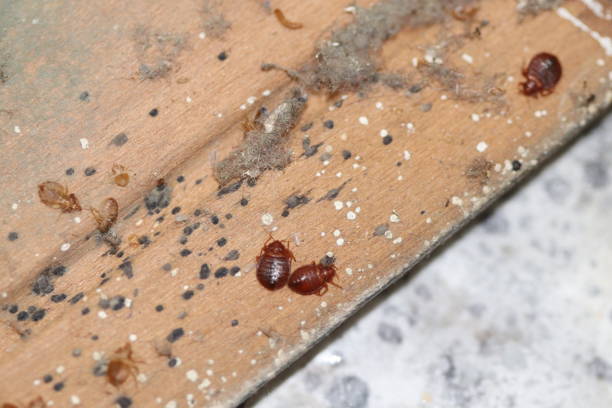
After completing pest treatment, taking proactive steps to prevent future infestations is crucial in maintaining a pest-free home. While professional treatments can eliminate existing problems, ongoing prevention is the key to ensuring they don’t return. By following a structured plan and adopting preventive measures, homeowners can safeguard their spaces effectively.
Seal All Entry Points
Pests often find their way into homes through small cracks and openings. Inspect your property thoroughly for any gaps or holes that could serve as entry points:
– Windows and Doors: Ensure all windows are sealed properly, and use weatherstripping on doors if necessary. Check for gaps beneath doors as well.
– Walls and Baseboards: Repair any cracks in walls, baseboards, or around utility pipes where pests might enter.
– Roof and Attic: Look for loose shingles or vents that could allow access to pests like rodents or birds.
Maintain Cleanliness in the Home
A clean home is less appealing to pests because it reduces potential food sources. Consider incorporating these cleaning habits into your routine:
– Regularly wipe down countertops to remove crumbs and food residue. – Do not leave dirty dishes in the sink overnight. – Sweep or vacuum floors daily, especially in dining areas. – Store food in airtight containers made of materials such as glass or metal.
Proper Waste Management
Improper waste storage can attract pests like cockroaches, ants, or rodents. To mitigate this risk:
– Use trash bins with tight-fitting lids indoors and outdoors.
– Empty garbage regularly before bins overflow.
– Keep compost piles at least 20 feet away from your home if possible.
Monitor Humidity Levels Indoors
Excess moisture attracts many types of pests such as termites, silverfish, and cockroaches. Prevent this by monitoring indoor humidity levels:
– Fix leaky pipes and faucets immediately. – Use a dehumidifier in damp areas such as basements. – Ensure good ventilation in spaces prone to moisture buildup like bathrooms.
Implement Regular Landscaping Practices
| Landscaping Tip | Explanation |
| Keep shrubs trimmed | Overhanging branches provide easy access for insects and rodents |
| Mow the lawn regularly | Tall grass harbors ticks, fleas, and other pests |
| Store firewood away from the house | Firewood attracts termites when placed too close |
Schedule Routine Inspections
Even after completing professional pest treatments, regular inspections are important for early detection of any emerging issues: 1. Conduct visual checks around high-risk zones (e.g., kitchen cabinets, basements). 2. Look out for signs like droppings, gnaw marks, or damaged wood. 3. Partner with licensed pest control professionals for periodic assessments.
By adhering to these strategies consistently over time following pest treatment services not only extends its benefits but also minimizes risks associated with recurring infestations further down the line.
Effective Home Tips from a Trusted Pest Control Company
Proper pest prevention within your home is vital for maintaining a safe, clean, and comfortable living environment. While professional pest control services can address existing issues, proactive measures inside the home are essential for long-term results. Below are actionable tips to help you keep pests at bay.
Tips for Maintaining Cleanliness with Pest Removal Services in Florida
- Regular Cleaning: Sweep, mop, and vacuum floors regularly to remove crumbs and debris.
- Wipe Surfaces: Clean kitchen countertops, stovetops, and dining tables daily to eliminate food residues.
- Proper Food Storage: Use airtight containers for pantry items such as cereals, flour, and sugar.
- Trash Disposal: Empty garbage bins frequently and use bins with tight-fitting lids.
How Addressing Moisture Issues Can Improve Your Florida Pest Control Service
Pests such as cockroaches and termites thrive in damp conditions. Reducing moisture levels inside your home can deter infestations.
- Fix leaking pipes or faucets promptly.
- Use a dehumidifier in areas prone to high humidity like basements or bathrooms.
- Ensure proper ventilation in attics, bathrooms, and kitchens.
Seal Entry Points for Effective Pest Removal
Preventing pests often begins by limiting their access to your home.
- Inspect windows and doors for gaps; use weatherstripping or caulk where needed.
- Repair cracks in walls or foundations.
- Install mesh screens over vents and chimneys.
- Use door sweeps on exterior doors to block small openings.
1. Declutter Living Spaces
- Storing items off the floor in sealed plastic containers rather than cardboard boxes.
- Clearing out unused items from storage spaces such as basements or closets.
- Limiting piles of newspapers, magazines, or other paper materials that may attract pests.
2. Monitor Hot Spots
| Area | Common Pests | Prevention Tips |
| Kitchen | Ants, cockroaches | Store food properly; clean appliances |
| Bathroom | Silverfish, cockroaches | Fix leaks; ensure proper ventilation |
| Basement/Attic | Rodents, spiders | Declutter; seal entry points |
| Bedrooms | Bed bugs | Wash bedding regularly; inspect mattresses |
3. Educate Household Members
- Teach children not to leave snacks uncovered around the house.
- Instruct family members on maintaining proper hygiene practices like washing dishes after use.
By implementing these strategies consistently throughout your home’s interior spaces, you can greatly reduce the risk of recurring pest problems while ensuring a healthier environment for you and your family.
Essential Pest Prevention Tips for Outside Your Home
Maintaining a pest-free environment begins with diligent efforts outside your home. Outdoor areas are often the primary entry points and breeding grounds for pests. By implementing specific prevention measures, you can significantly reduce the likelihood of pests infiltrating your home.
1. Maintain Your Lawn and Garden
Proper landscaping plays a crucial role in deterring pests. Overgrown vegetation and poorly managed gardens can act as havens for insects, rodents, and other unwanted visitors.
- Regularly mow your lawn to prevent tall grass, where pests such as ticks and fleas thrive.
- Trim bushes, shrubs, and trees to prevent them from touching walls or windows, which could serve as a bridge for pests.
- Remove leaf litter, fallen fruits, and plant debris that attract ants, flies, or rodents.
- Use pest-repellent plants like lavender, marigolds, or mint to naturally deter insects.
2. Manage Outdoor Waste Properly
Improper waste disposal is one of the most common causes of pest infestations around homes.
- Use sealed trash bins with tight-fitting lids to limit access for rodents and insects.
- Empty trash bins frequently to minimize the buildup of food odors that attract pests.
- Clean garbage cans regularly to eliminate residue that attracts flies or cockroaches.
- Compost responsibly by keeping compost piles far from your home’s foundation.
3. Eliminate Standing Water Sources
Standing water is a magnet for mosquitoes and other water-borne insects. Reducing water accumulation can help keep pests at bay.
| Common Water Hazards | Prevention Strategies |
| Clogged gutters | Regularly clean gutters and downspouts |
| Birdbaths | Change water weekly |
| Potted plant trays | Empty excess water |
| Leaky outdoor faucets | Fix leaks promptly |
4. Seal Entry Points
Pests often use gaps around doors, windows, or utility lines as entryways into your home.
- Inspect your home’s exterior walls for cracks or openings; seal these with caulk or weather-resistant sealants.
- Install door sweeps under exterior doors and ensure window screens are intact without any tears or holes.
- Pay special attention to areas where cables or pipes enter the home — use steel wool in combination with caulk if gaps are present.
5. Store Firewood Away From Your Home
Firewood piles can attract termites, ants, spiders, and even rodents if not properly stored.
- Keep firewood at least 20 feet away from your house’s foundation.
- Elevate firewood off the ground using metal racks or stands to reduce contact with soil-borne pests.
6. Secure Outdoor Lighting
While outdoor lighting enhances security and aesthetic appeal at night, it can unintentionally attract flying insects such as moths and mosquitoes.
- Opt for yellow-tinted “bug lights” designed to repel insects rather than attract them.
- Position outdoor lighting away from entry points (e.g., doors/windows) so bugs are not drawn near potential access routes into your home.
By following these preventative measures around the exterior of your property, you create an effective barrier against pest invasions while protecting both outdoor spaces and indoor living areas alike.
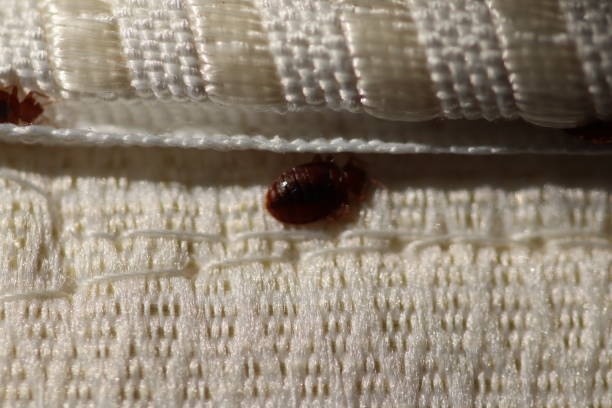
Common Mistakes to Avoid When Implementing Pest Prevention Strategies
Preventing pests is a crucial part of maintaining a safe and healthy living environment. However, even with the best intentions, homeowners often make mistakes that can undermine their pest prevention efforts. By understanding these common errors, you can take more effective steps to protect your home from infestations.
Neglecting Regular Maintenance
- Unsealed Food: Leaving food out or in unsealed containers attracts pests like ants, cockroaches, and rodents.
- Clogged Gutters: Gutter debris provides an ideal breeding ground for mosquitoes and other insects.
- Leaking Pipes: Moist areas caused by unattended leaks invite pests such as cockroaches and silverfish.
Regularly cleaning your home, fixing leaks promptly, and organizing storage spaces can significantly reduce pest risks.
Overreliance on DIY Solutions
- Improper Use of Chemicals: Misusing pesticides not only fails to eliminate pests but may also pose health risks for occupants.
- Ignoring Underlying Causes: DIY methods often focus on treating visible signs of pests without identifying or addressing entry points or nesting areas.
- Delaying Professional Help: Trying repeated DIY fixes instead of consulting a professional can allow infestations to worsen over time.
For long-term effectiveness, combine proactive household measures with professional pest control services when necessary.
Failing To Address Entry Points
Another significant mistake is overlooking the small cracks and gaps that serve as entryways for pests. Commonly ignored areas include:
– Around Doors/Windows: Damaged weatherstripping or screens provide easy access for insects like flies and spiders.
– Foundation Cracks: Even tiny crevices in walls or foundations are enough for ants or rodents to gain entry. – Roofline Openings: Chimneys or vents without proper sealing allow birds and bats to enter attics.
Perform routine inspections around your home’s exterior and seal any openings using caulking, wire mesh, or foam fillers.
Focusing Only Indoors
Many homeowners focus exclusively on indoor spaces when implementing pest prevention strategies but fail to consider outdoor factors that encourage infestations. Examples include: – Allowing vegetation like shrubs or tree branches near walls. – Keeping trash bins close without tightly sealed lids. – Ignoring standing water in yards where mosquitoes breed.
Using Ineffective Prevention Methods
Certain practices intended to deter pests are outdated or ineffective against modern infestations: * Over-reliance on ultrasonic devices with limited scientific backing. * Spraying household chemicals indiscriminately without targeting specific pest species. * Believing cleanliness alone completely prevents infestations (though it significantly reduces the risk).
Focus instead on integrated pest management (IPM) practices that combine sanitation, exclusion techniques (sealing gaps), biological controls (natural predators), and limited chemical usage tailored specifically against identified threats.
By avoiding these common mistakes, you’ll improve the effectiveness of your pest prevention strategy while maintaining a safe living space devoid of unnecessary chemicals or recurring infestations.
When to Rely on Florida Pest Control for Effective Rat Extermination
Rats are more than just a nuisance; they pose significant health risks and can cause severe structural damage to your property. While DIY methods might seem effective initially, there are certain situations where calling a professional rat exterminator is not only recommended but imperative. Below are key scenarios and signs that indicate it’s time to bring in the experts.
https://pompanobeachpestco.wixsite.com/exterminator
Persistent Rat Activity Despite DIY Efforts
If you’ve tried traps, poisons, or natural deterrents without success, this is a clear sign that professional intervention is needed. Rats can be highly adaptable and may evade common control techniques. A professional exterminator has the knowledge and tools to address even the most challenging infestations.
Signs of an Extensive Infestation
Certain clues suggest an expanded rat problem that requires expertise:
– Frequent Droppings: Seeing rat droppings in multiple rooms or areas means the infestation has likely spread throughout your home.
– Gnawed Wires or Furniture: Rats chew constantly; damaged electrical wiring or household items could signal their presence.
– Unusual Noises: Scratching, squeaking, or scurrying sounds — especially at night — suggest rats are active within walls or ceilings.
When these signs appear consistently, it’s better to act quickly before the infestation grows further.
Health Concerns Arising from Rats
Rats carry diseases such as leptospirosis, hantavirus, and salmonella. They also bring fleas and mites into homes, which can exacerbate health problems for residents. If anyone in your household experiences sudden illnesses with no explanation and you suspect rats might be present, contacting an exterminator should be prioritized.
Structural Damage Beyond Control
| Type of Damage | Impact |
| Electrical Wiring | Risk of fire hazards |
| Insulation | Reduced energy efficiency |
| Pipes | Water leaks |
| Wooden Structures | Weakening of support beams |
If these damages become evident, professional pest control services will not only eliminate the infestation but also prevent further destruction.
Inability to Locate Nesting Areas
Rats often create nests in hidden areas such as attics, basements, wall voids, or crawl spaces. Locating these nests requires specialized knowledge and equipment that professionals possess. Without identifying their nesting zones, fully eliminating an infestation becomes nearly impossible.
Benefits of Hiring a Professional Exterminator
Engaging professionals ensures thorough eradication and reduces the risk of recurring infestations. Their methods typically include:
– Comprehensive Inspection – Identifying entry points and nest sites. – Targeted Treatment Plans – Using advanced tools and eco-friendly solutions tailored to your situation. – Preventive Measures – Sealing entry points to prevent future infestations. – Guaranteed Results – Many pest control companies offer follow-up visits to ensure complete removal.
Recognizing when situations exceed DIY capabilities is crucial for addressing rat infestations effectively while minimizing risks to health and property.
Recognizing When It Is Time to Call a Professional Rat Exterminator
Rats are not just a nuisance; they pose significant health risks and can cause extensive damage to property. While some homeowners may attempt to manage a rat infestation on their own, there are specific signs that indicate when it is time to seek the expertise of a professional rat exterminator. Knowing when to call a professional ensures effective and timely eradication of the problem before it escalates.
Signs You Need Professional Rat Extermination
- Rats leave behind droppings near food sources, in cupboards, or along common pathways like walls.
- If you notice frequent droppings despite your efforts to seal entry points or clean areas, this indicates an ongoing infestation.
- Rats have strong teeth that can chew through wires, wood, insulation, and even soft metals.
- Chewed electrical wires not only confirm their presence but also increase the risk of fire hazards.
- Rats are nocturnal creatures and are most active during the night. Scratching or scurrying sounds in walls or ceilings often point to infestations in hidden areas like attics or wall voids.
- Rats build nests using shredded paper, fabric, or other soft materials they find within your home.
- Burrows around the foundation of your house or garden could indicate rat colonies nearby.
- If you’ve attempted traps and baits without success—or if the infestation seems too large—it’s time for professional intervention.
- Rats are typically shy creatures that avoid human interaction during daylight hours.
- Seeing rats during the day often means that overcrowding has forced them out into more visible areas.
Why Call a Professional?
- Perform an exhaustive inspection of your property to identify entry points and nesting locations.
- Use targeted treatments such as bait stations, traps, and eco-friendly methods unavailable for public use.
- Provide long-term prevention solutions by sealing gaps and offering advice on sanitation practices.
- Ensure compliance with local pest control regulations for humane eradication practices.
| DIY Methods | Professional Extermination Services |
| Limited treatment scope | Comprehensive property assessment |
| May lead to partial elimination | Complete eradication with guaranteed results |
| Temporary solutions | Long-term prevention strategies |
Steps Before Contacting an Exterminator
- Identify signs of infestation such as droppings or gnaw marks.
- Document observations (e.g., number of sightings per day) for reference.
- Address obvious food sources by maintaining cleanliness in kitchens or pantries.
- Block immediate access points temporarily using steel wool or caulk until help arrives.
Promptly addressing rat infestations ensures not only peace of mind but also protection from diseases like leptospirosis, hantavirus, and salmonella—all commonly associated with rodents. A professional exterminator provides efficient solutions tailored specifically for each situation while preventing future infestations effectively from recurring again on your property.
- Essential Steps for Success After a Florida Pest Control Treatment
- How a Pest Control Company Can Help Prevent Pests from Returning After Treatment
- How Florida Pest Control Can Stop Pests From Returning After Treatment
- Tips from Exterminators in Florida on Preventing Pest Infestations After Treatment
- Florida Pest Control Mistakes to Avoid for Effective and Long-Lasting Solutions
- The Importance of Florida Pest Control Treatments and What They Involve